
- Main
- News and events
- LAWN CHEMICAL TREATMENTS AND THEIR IMPACT ON PETS
LAWN CHEMICAL TREATMENTS AND THEIR IMPACT ON PETS
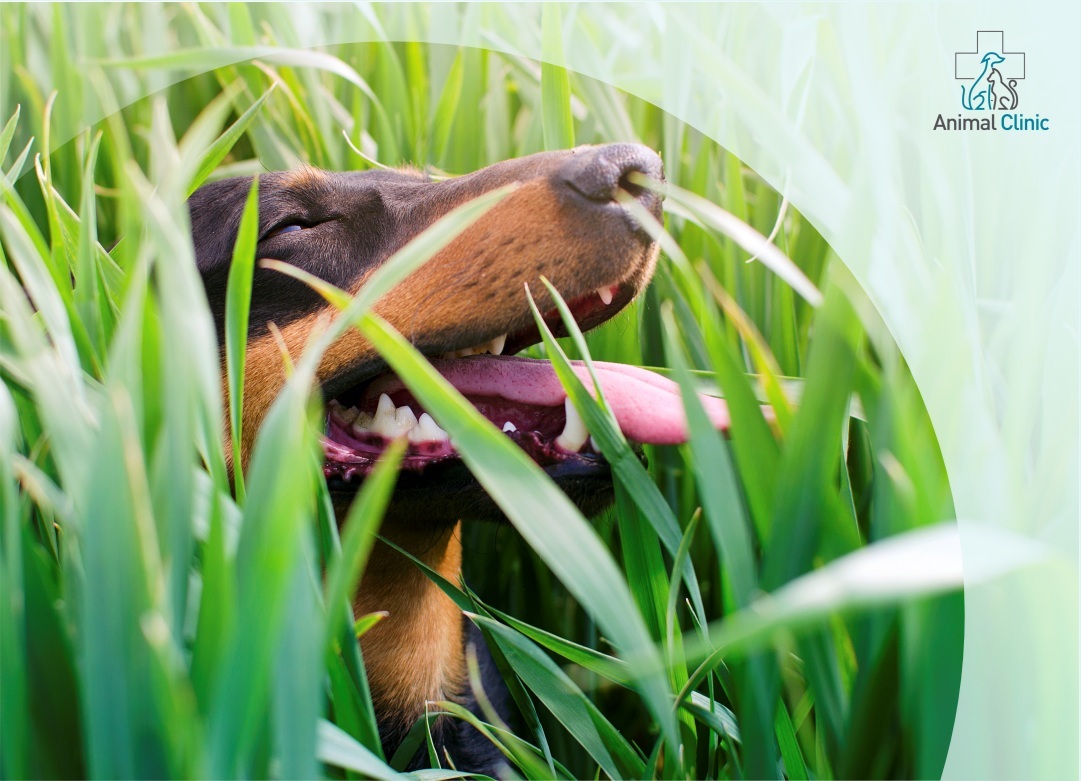
Pesticides, fertilizers, and herbicides are important components of lawn and garden care. However, for pets these substances can be an invisible poison. External contact with chemicals may cause irritation of the skin and eye mucous membranes, while ingesting recently treated grass can lead to diarrhea, vomiting, excessive drooling, lethargy, and loss of appetite. With prolonged exposure, pathological changes in the kidneys and liver are possible.
Chemical products must be chosen, used, and stored correctly:
- Carefully read the label. Look for options marked “Pet-Safe.”
- Make sure the ingredients do not contain toxic components. For example, slug repellents may contain metaldehyde, which can cause severe poisoning and even death in pets.
- Prepare the solution strictly according to the instructions and recommended proportions.
- Keep your pet indoors while treating the lawn.
- Do not allow your pet onto the lawn for four days after spraying pesticides. During this time, the harmful effects of the solution will subside.
- Store chemicals out of reach of dogs and cats to prevent them from chewing the packaging and causing serious consequences.
If you need to treat your lawn with chemicals, every step you take should be responsible and focused on your pet’s safety.