
- Main
- News and events
- Hypothyroidism in Dogs: Why Your Pet Is Gaining Weight and Becoming Less Active
Hypothyroidism in Dogs: Why Your Pet Is Gaining Weight and Becoming Less Active
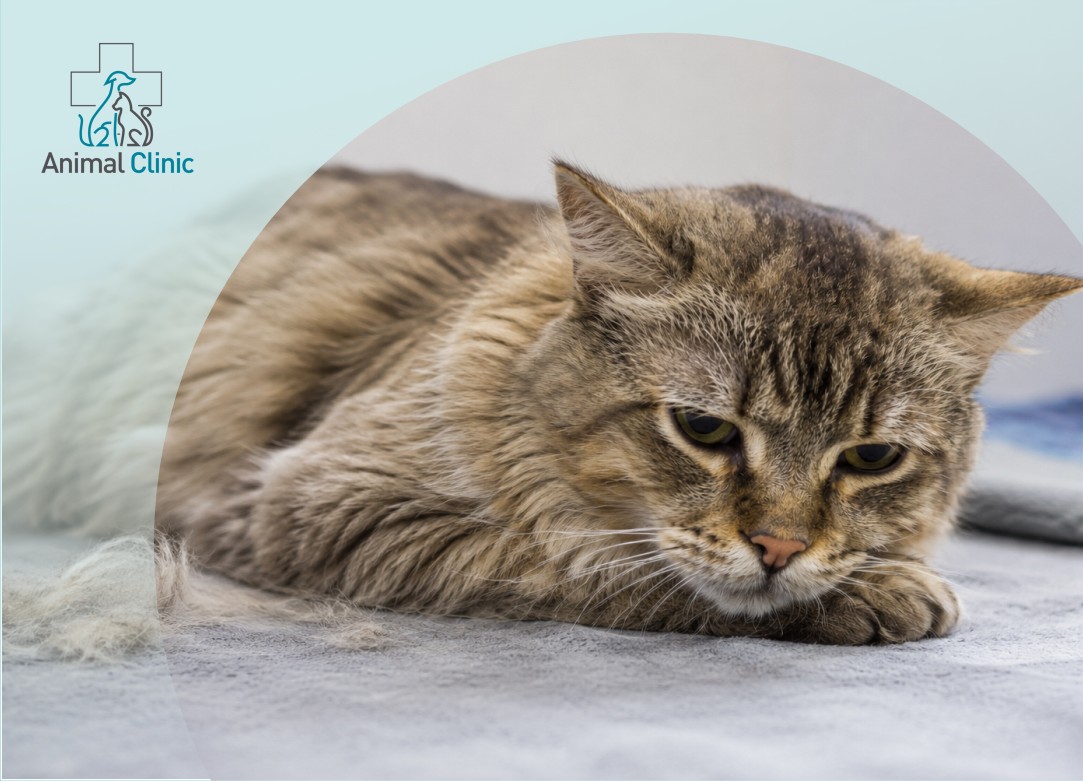
Has your dog started gaining weight and becoming less energetic? These may be signs of hypothyroidism, one of the most common endocrine disorders in dogs. This condition occurs when the thyroid gland does not produce enough thyroid hormones to support a healthy metabolism and normal function of many body systems.
Learn more about the causes, symptoms, and treatment of hypothyroidism from the veterinary team at Animal Clinic.
Causes and Symptoms of Hypothyroidism in Dogs
Many pet owners first become concerned when they notice that their dog has gained weight. However, excess weight does not always mean your pet is eating too much. In many cases, the problem is hormonal.
Hypothyroidism affects the body in the following way:
- Thyroid hormone levels decrease.
- Metabolism slows down.
- The body requires less energy.
- Calories are stored as body fat instead of being burned.
In addition to weight gain, hypothyroidism often causes noticeable changes in your dog's behavior. Your pet may become less interested in playing, sleep much more than usual, or seem reluctant to go for walks.
Because thyroid hormone levels are low, the body's cells produce less energy, forcing the body to conserve its resources. This results in weakness, fatigue, and apathy.
Like many endocrine disorders, hypothyroidism can also affect your dog's skin and coat. Common signs include:
- Dry, sensitive skin with reduced natural immunity.
- A dull, thinning coat with excessive shedding.
- Cold intolerance, shivering, or feeling cold even in a warm environment.
What Should You Do If You Notice These Symptoms?
The signs of hypothyroidism usually develop gradually, making them easy to dismiss as normal aging. However, early diagnosis is essential. If you notice any of these symptoms, schedule a veterinary examination as soon as possible rather than waiting for the condition to improve on its own.
At Animal Clinic, our team can arrange an appointment promptly. A veterinary endocrinologist will confirm the diagnosis through blood tests that measure thyroid hormone levels.
Treatment of Hypothyroidism
Hypothyroidism is managed with lifelong thyroid hormone replacement therapy. Your veterinarian will determine the appropriate dosage based on your dog's individual needs and will monitor treatment through regular follow-up examinations and blood testing.
With proper treatment, most dogs experience significant improvement. Hormone therapy can help restore a healthy body weight, improve energy levels, enhance skin and coat quality, and allow your pet to enjoy an active, happy life once again.