
- Main
- News and events
- Hyperparathyroidism in Dogs and Cats
Hyperparathyroidism in Dogs and Cats
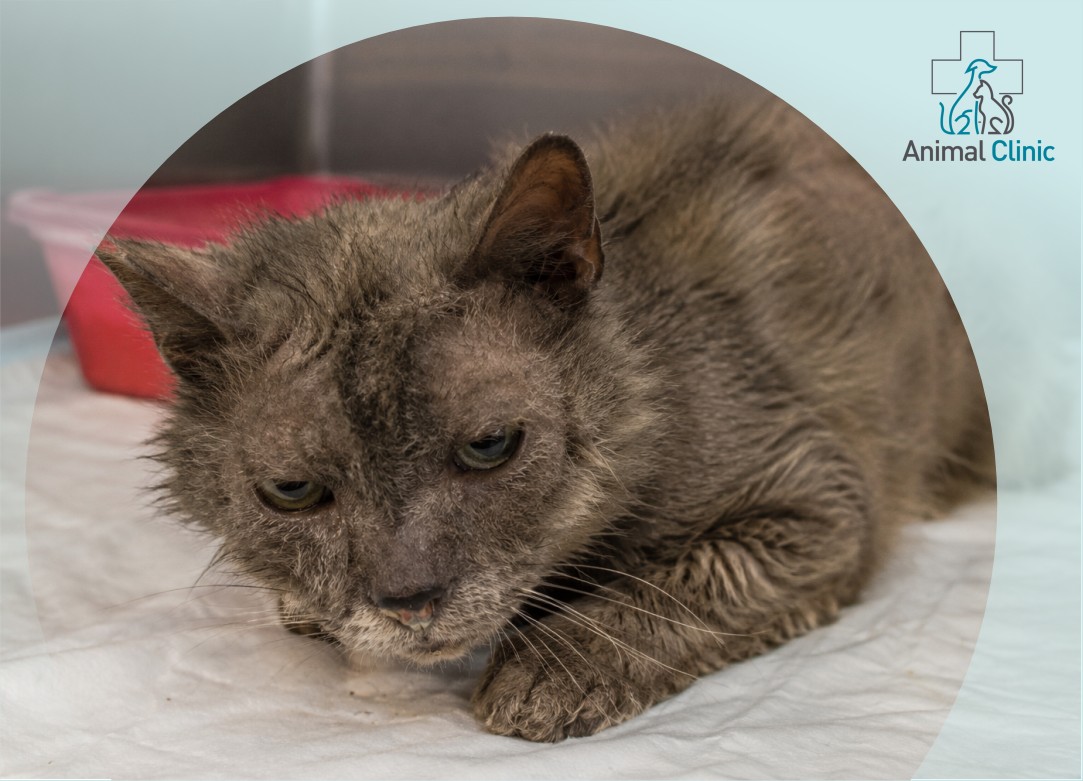
When the parathyroid glands produce excessive amounts of parathyroid hormone (PTH), the body's calcium and phosphorus levels become unbalanced. This disruption can affect the nervous system, weaken bones, reduce muscle strength, and cause fatigue in both dogs and cats.
This condition is known as hyperparathyroidism. It is diagnosed more frequently in dogs but can also occur in cats, particularly when underlying health problems are not identified and treated early.
Learn more about the causes, symptoms, diagnosis, and treatment of hyperparathyroidism from the veterinary specialists at Animal Clinic.
Types of Hyperparathyroidism
There are two main forms of hyperparathyroidism.
Primary Hyperparathyroidism
Primary hyperparathyroidism develops when one or more parathyroid glands become enlarged (hyperplasia) or develop a benign or malignant tumor. One of the hallmark features of this condition is persistent hypercalcemia, meaning calcium levels in the blood remain abnormally high.
This form of the disease is seen most often in middle-aged and senior dogs and is relatively uncommon in cats.
Secondary Hyperparathyroidism
Secondary hyperparathyroidism is divided into two categories:
-
Renal Secondary Hyperparathyroidism
This form develops as a complication of chronic kidney disease (CKD). Damaged kidneys are unable to properly eliminate phosphorus or activate vitamin D, which stimulates excessive production of parathyroid hormone.
-
Nutritional Secondary Hyperparathyroidism
This condition results from a long-term unbalanced diet, particularly one that contains excessive phosphorus while lacking sufficient calcium and vitamin D.
It is most commonly seen in young animals fed an all-meat diet or table scraps without proper nutritional balance.
In some cases, hyperparathyroidism may also have a hereditary component. Determining the underlying cause requires a thorough medical history and comprehensive diagnostic testing.
Symptoms of Hyperparathyroidism
Clinical signs usually develop gradually, but they should never be ignored.
Early symptoms may include:
- Weakness and lethargy.
- Poor appetite and weight loss.
- Vomiting.
- Increased thirst and frequent urination.
When kidney damage develops, pets may show signs of pain during urination or have blood in the urine.
As the disease progresses and affects the skeletal system, additional signs may include:
- Lameness.
- Bone pain.
- Deformities of the limbs or jaw.
- Pathological fractures caused by decreased bone density.
Diagnosis and Treatment
If you notice any of these symptoms, schedule a veterinary examination promptly.
Your veterinarian will perform a complete physical examination, including neurological and orthopedic assessments. Diagnostic testing typically includes:
- Blood tests to measure parathyroid hormone (PTH), calcium, and phosphorus levels.
- Urinalysis to evaluate urine concentration and detect urinary crystals.
- Neck ultrasound to evaluate the parathyroid and thyroid glands.
- Kidney ultrasound.
- X-rays to assess bone health.
- Computed tomography (CT) when indicated.
Treatment Options
Primary Hyperparathyroidism
The preferred treatment is surgical removal of the affected parathyroid gland.
Before surgery—or if surgery is not possible—treatment may include:
- Intravenous fluid therapy.
- Medications to lower blood calcium levels.
- Ongoing monitoring of kidney function.
Renal Secondary Hyperparathyroidism
Treatment focuses on managing the underlying chronic kidney disease and may include:
- A therapeutic diet restricted in phosphorus.
- Active forms of vitamin D.
- Phosphate-binding medications.
Nutritional Secondary Hyperparathyroidism
Treatment involves correcting the diet to restore the proper balance of calcium and phosphorus while ensuring complete and balanced nutrition.
Early Intervention Improves Quality of Life
Although hyperparathyroidism is a serious endocrine disorder, it can often be successfully managed with early diagnosis and appropriate treatment.
Recognizing the warning signs and working with an experienced veterinary endocrinologist can help restore your pet's comfort, improve quality of life, and reduce the risk of long-term complications.