
- Main
- News and events
- How Often Do Different Dog Breeds Need Grooming?
How Often Do Different Dog Breeds Need Grooming?
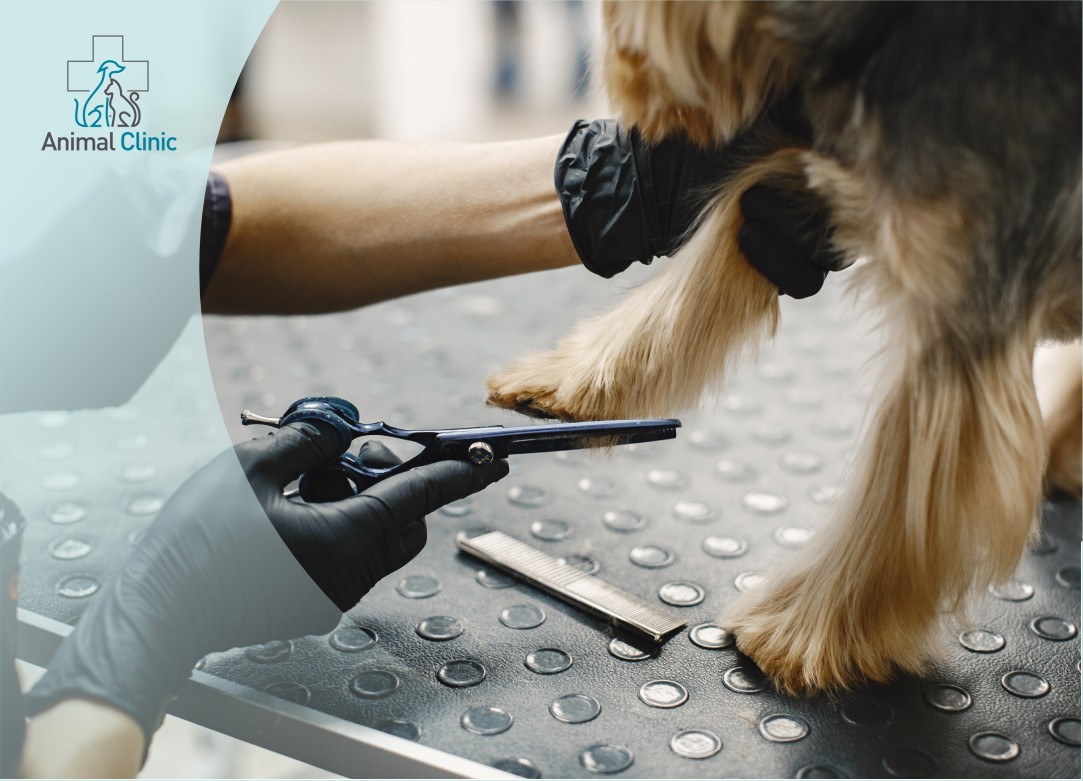
Have you ever considered that grooming frequency is not the same for all dog breeds? If you want to maintain proper hygiene and keep your pet looking neat and healthy, this guide will help you understand the ideal grooming schedule.
Grooming Frequency by Coat Type
The need for grooming largely depends on your dog’s coat type. Specialists at Veterinary Hospital Animal Clinic International recommend using the following classification:
Long-haired breeds
This includes Yorkshire Terriers, Maltese, Collies, and Shih Tzus. Their coats are prone to tangling and matting, so regular care is essential:
- Daily brushing at home
- Professional grooming every 3–4 weeks
Short-haired breeds
Labradors, Boxers, Dobermans, and Pugs have relatively low-maintenance coats:
- Brushing once a week
- Bathing as needed
- Regular ear cleaning and nail trimming are still essential
- Grooming visits: every 1–3 months
Wire-haired breeds
Terriers and Schnauzers require hand-stripping (removal of dead hair) approximately every 7–8 weeks. Without it, the coat loses its texture and the skin may become irritated.
Double-coated breeds
German Shepherds, Pomeranians, Huskies, Akitas, and similar breeds need extra care during shedding seasons:
- Spring & fall: daily brushing
- Summer & winter: 1–2 times per week
- Professional grooming: every 6–8 weeks
Curly-coated breeds
Poodles, Bichons, and Maltipoos require consistent grooming because their coat doesn’t shed normally and tends to form mats:
- Brushing at least 3 times per week
- Full grooming every 4–6 weeks
If you’re struggling to manage shedding at home—especially during seasonal coat changes—it’s a good idea to schedule an additional grooming session with a professional groomer in Los Angeles. Consistent hygiene is key to your dog’s health and comfort.
Why Does My Dog Smell Just a Few Days After Grooming?
If your dog develops an unpleasant odor shortly after a bath, the issue is often related to improper grooming.
The most common cause is insufficient drying of the undercoat. Moisture trapped close to the skin creates an ideal environment for bacterial growth, leading to the typical “wet dog” smell.
Another common mistake in home care is using the wrong products—especially shampoos designed for humans. These can disrupt your dog’s natural skin balance and cause overproduction of oils.
Additionally, a strong or even foul odor may be caused by impacted anal glands, which should be properly expressed by a professional groomer.
Proper grooming is the key to keeping your dog clean, healthy, and smelling fresh. If managing this routine feels overwhelming, trust the experts at Animal Clinic International to take care of your pet.