
- Main
- News and events
- Diabetes Mellitus in Dogs and Cats: Symptoms, Treatment, and Nutrition
Diabetes Mellitus in Dogs and Cats: Symptoms, Treatment, and Nutrition
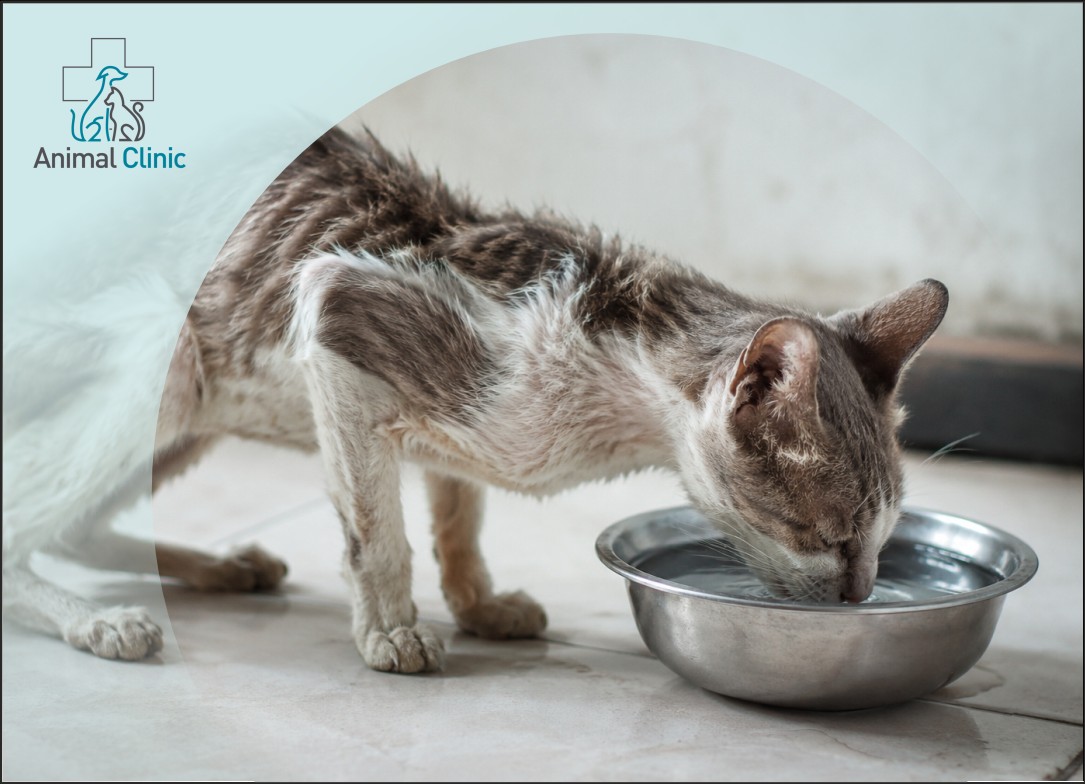
Endocrine disorders affect not only people but also pets. One of the most common endocrine diseases in dogs and cats is diabetes mellitus. This chronic condition develops when the body either does not produce enough insulin or the body's cells become less responsive to it. Insulin is the hormone responsible for regulating blood glucose levels.
How can you tell if your pet has diabetes? What treatment is required? The veterinarians at Animal Clinic have prepared the answers to these important questions.
Signs of Diabetes Mellitus
Diabetes can be either congenital (genetic) or acquired. Common contributing factors include poor nutrition, prolonged use of hormonal medications, and inflammatory diseases of the pancreas.
The most common signs of diabetes in both dogs and cats include:
- Increased thirst (excessive water consumption)
- Frequent urination caused by elevated blood glucose levels
- Weight loss despite an increased appetite
- Low energy and lethargy
- Poor coat and skin condition
In dogs, diabetes may also lead to more advanced complications if left untreated. Similar to cats, diabetic dogs can develop cataracts (clouding of the eye's lens), weakness in the hind limbs, or even paralysis. Ignoring the disease can result in severe complications, including organ failure, diabetic coma, and even death.
For this reason, endocrine diseases such as diabetes require prompt veterinary evaluation. If you notice any of these symptoms in your pet, contact your veterinary clinic and schedule an appointment as soon as possible.
How Is Insulin-Dependent Diabetes Treated in Pets?
The primary treatment for diabetes mellitus is insulin therapy. A veterinary endocrinologist will determine the most appropriate type of insulin and calculate an individualized dosage based on your pet's specific needs.
Successful management also depends on:
- Administering insulin injections under the skin (typically in the scruff of the neck) on a consistent schedule
- Regularly monitoring blood glucose levels
- Tracking your pet's body weight
- Attending routine veterinary check-ups
Nutrition for Pets with Diabetes
A balanced diet plays a critical role in managing diabetes. Meals should be low in simple carbohydrates and formulated to help maintain stable blood glucose levels.
For many dogs, a high-fiber diet can improve blood sugar control by slowing glucose absorption. Cats with diabetes also benefit from a carefully tailored nutritional plan designed to meet their specific metabolic needs.
Pets with diabetes should be fed according to the schedule and diet recommended by their veterinarian. Ideally, meals should coincide with insulin administration to help maintain consistent blood glucose levels.
With proper treatment, a balanced diet, and attentive daily care, many diabetic dogs and cats can enjoy a long, happy, and healthy life.